Buy australien-news.com ?
We are moving the project
australien-news.com .
Are you interested in purchasing the domain
australien-news.com ?
domain@kv-gmbh.de · 0541-91531010
Buy australien-news.com ?
Where are the beautiful Baltic Sea beaches?
The beautiful Baltic Sea beaches can be found in several countries including Sweden, Finland, Estonia, Latvia, Lithuania, Poland, Germany, and Denmark. Some popular beach destinations along the Baltic Sea include the Curonian Spit in Lithuania, the beaches of the island of Gotland in Sweden, and the coastal areas of Pärnu in Estonia. These beaches are known for their white sand, clear waters, and picturesque landscapes, making them popular summer destinations for locals and tourists alike. **
Where does the sand on the Baltic Sea beaches come from?
The sand on the Baltic Sea beaches comes from a variety of sources. One significant source is the erosion of coastal cliffs and bluffs along the shoreline. Another source is the deposition of sediments carried by rivers that flow into the Baltic Sea. Additionally, the movement of sediments by ocean currents and waves also contributes to the formation of sandy beaches along the Baltic Sea coast. **
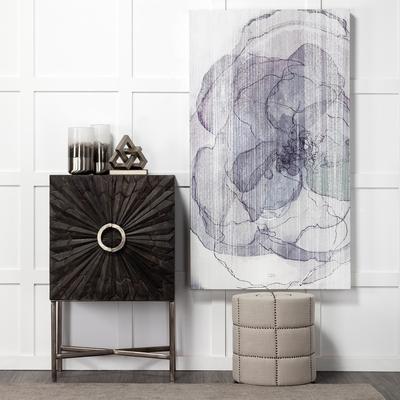

Similar search terms for Mercana-Baltic-I-Tall
Top-Angebote
Products related to Mercana-Baltic-I-Tall:
-
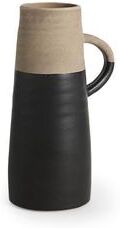
Mercana Garand I Small Black/Natural Ceramic Jug"Black glazed ceramic jug with handle and natural finish at the top. The Garand vase, measuring 6.3"" long by 4.5"" wide by 10.2"" high, is a beautiful piece that adds a trendy accent to your space."44,99 $*Shipping: 0,00 $Secure redirect to the provider


-
Why is the Baltic Sea called the Baltic Sea in Germany and not the Baltic Sea?
The Baltic Sea is called the "Ostsee" in Germany because "Ost" means east in German, referring to the sea's location to the east of Germany. The term "Baltic Sea" is more commonly used in English-speaking countries, while the name "Ostsee" is used in German-speaking regions to differentiate it from other seas. The name "Baltic Sea" comes from the Baltic region, which includes countries like Estonia, Latvia, and Lithuania that border the sea. **
-
Where does the sand on the beaches of the Baltic Sea come from?
The sand on the beaches of the Baltic Sea primarily comes from the erosion of rocks and cliffs in the surrounding areas. As the rocks break down over time, they release particles that are carried by rivers and streams into the sea. The currents then transport these particles along the coast, depositing them on the beaches. Additionally, some of the sand may also come from the remains of marine organisms such as shells and corals. **
-
What causes high waves on the beaches of the North and Baltic Sea?
High waves on the beaches of the North and Baltic Sea are primarily caused by strong winds. When powerful winds blow across the surface of the water, they transfer their energy to the water, creating large waves. The shape and depth of the sea floor also play a role in amplifying wave height, as the waves can become more pronounced when they encounter shallower areas near the coast. Additionally, the proximity of the North and Baltic Seas to the Arctic and Atlantic Oceans means that they are often affected by storm systems and weather patterns that can generate high waves. **
-
What should I wear at the Baltic Sea?
When visiting the Baltic Sea, it's important to dress for the weather, which can be quite variable. In the summer months, lightweight clothing such as shorts, t-shirts, and sandals are appropriate for the warmer temperatures. However, it's also a good idea to bring layers such as a light jacket or sweater for cooler evenings or unexpected changes in weather. Don't forget to pack a swimsuit if you plan on taking a dip in the sea! **

North Sea or Baltic Sea?
It ultimately depends on personal preference and what one is looking for in a coastal destination. The North Sea is known for its rugged coastline, strong winds, and sandy beaches, making it popular for water sports and outdoor activities. On the other hand, the Baltic Sea offers calmer waters, picturesque fishing villages, and historic towns, making it a more tranquil and relaxing option for those seeking a peaceful seaside retreat. Both seas have their own unique charm and attractions, so the choice between the two would depend on individual preferences. **
Is the sand on the beaches of the Baltic Sea islands very different from each other?
The sand on the beaches of the Baltic Sea islands can vary in color and texture, but overall, it is quite similar. The sand is typically light in color and fine in texture, with some variations depending on the specific island. Factors such as the composition of the surrounding rocks and minerals can influence the color and texture of the sand. Overall, while there may be slight differences, the sand on the beaches of the Baltic Sea islands is generally similar. **
Top-Angebote
Products related to Mercana-Baltic-I-Tall:
-
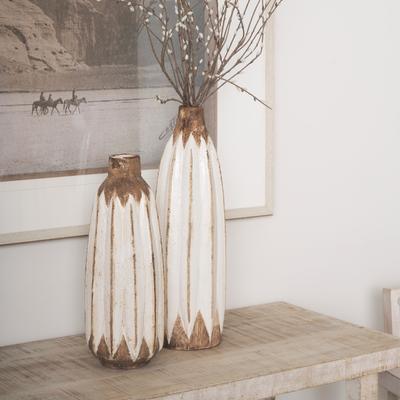
Mercana Baltic I (Tall) Vase"The Baltic series of open top glass vases, features a brushed silver metal bottom which supports a beautiful and uniquely styled antique white and bronze finished glass. 12.6"" High Vase The Baltic vase, measuring 4.7"" long by 4.7"" wide by 12.6""..."109,99 $*Shipping: 0,00 $Secure redirect to the provider
-
Mercana Tosca Tall VaseTosca is a lightweight metal vase with a sleek and minimalist design and a chic matte black finish. 6.3L x 6.3W x 14.0H Crafted from lightweight metal with a matte black finish The sleek black finish complements its and modern silhouette create a…49,99 $*Shipping: 0,00 $Secure redirect to the provider
-
Where are the beautiful Baltic Sea beaches?
The beautiful Baltic Sea beaches can be found in several countries including Sweden, Finland, Estonia, Latvia, Lithuania, Poland, Germany, and Denmark. Some popular beach destinations along the Baltic Sea include the Curonian Spit in Lithuania, the beaches of the island of Gotland in Sweden, and the coastal areas of Pärnu in Estonia. These beaches are known for their white sand, clear waters, and picturesque landscapes, making them popular summer destinations for locals and tourists alike. **
-
Where does the sand on the Baltic Sea beaches come from?
The sand on the Baltic Sea beaches comes from a variety of sources. One significant source is the erosion of coastal cliffs and bluffs along the shoreline. Another source is the deposition of sediments carried by rivers that flow into the Baltic Sea. Additionally, the movement of sediments by ocean currents and waves also contributes to the formation of sandy beaches along the Baltic Sea coast. **
-
Why is the Baltic Sea called the Baltic Sea in Germany and not the Baltic Sea?
The Baltic Sea is called the "Ostsee" in Germany because "Ost" means east in German, referring to the sea's location to the east of Germany. The term "Baltic Sea" is more commonly used in English-speaking countries, while the name "Ostsee" is used in German-speaking regions to differentiate it from other seas. The name "Baltic Sea" comes from the Baltic region, which includes countries like Estonia, Latvia, and Lithuania that border the sea. **
-
Where does the sand on the beaches of the Baltic Sea come from?
The sand on the beaches of the Baltic Sea primarily comes from the erosion of rocks and cliffs in the surrounding areas. As the rocks break down over time, they release particles that are carried by rivers and streams into the sea. The currents then transport these particles along the coast, depositing them on the beaches. Additionally, some of the sand may also come from the remains of marine organisms such as shells and corals. **
Similar search terms for Mercana-Baltic-I-Tall
-
Mercana Garand I Small Black/Natural Ceramic Jug"Black glazed ceramic jug with handle and natural finish at the top. The Garand vase, measuring 6.3"" long by 4.5"" wide by 10.2"" high, is a beautiful piece that adds a trendy accent to your space."44,99 $*Shipping: 0,00 $Secure redirect to the provider
-
What causes high waves on the beaches of the North and Baltic Sea?
High waves on the beaches of the North and Baltic Sea are primarily caused by strong winds. When powerful winds blow across the surface of the water, they transfer their energy to the water, creating large waves. The shape and depth of the sea floor also play a role in amplifying wave height, as the waves can become more pronounced when they encounter shallower areas near the coast. Additionally, the proximity of the North and Baltic Seas to the Arctic and Atlantic Oceans means that they are often affected by storm systems and weather patterns that can generate high waves. **
-
What should I wear at the Baltic Sea?
When visiting the Baltic Sea, it's important to dress for the weather, which can be quite variable. In the summer months, lightweight clothing such as shorts, t-shirts, and sandals are appropriate for the warmer temperatures. However, it's also a good idea to bring layers such as a light jacket or sweater for cooler evenings or unexpected changes in weather. Don't forget to pack a swimsuit if you plan on taking a dip in the sea! **
-
North Sea or Baltic Sea?
It ultimately depends on personal preference and what one is looking for in a coastal destination. The North Sea is known for its rugged coastline, strong winds, and sandy beaches, making it popular for water sports and outdoor activities. On the other hand, the Baltic Sea offers calmer waters, picturesque fishing villages, and historic towns, making it a more tranquil and relaxing option for those seeking a peaceful seaside retreat. Both seas have their own unique charm and attractions, so the choice between the two would depend on individual preferences. **
-
Is the sand on the beaches of the Baltic Sea islands very different from each other?
The sand on the beaches of the Baltic Sea islands can vary in color and texture, but overall, it is quite similar. The sand is typically light in color and fine in texture, with some variations depending on the specific island. Factors such as the composition of the surrounding rocks and minerals can influence the color and texture of the sand. Overall, while there may be slight differences, the sand on the beaches of the Baltic Sea islands is generally similar. **
* All prices are inclusive of VAT and, if applicable, plus shipping costs. The offer information is based on the details provided by the respective shop and is updated through automated processes. Real-time updates do not occur, so deviations can occur in individual cases. ** Note: Parts of this content were created by AI.